Table Of Content
But there is little to no clinical evidence that they're effective. The best way to hide your blood scent and prevent lice is by adding pleasant smells that repel lice, but not humans. Many use tea tree shampoo for this purpose, but in my experience, it requires a bit more than that.
Complications of Head Lice
And you cannot put a hair straightener too close to your scalp because you will risk burning yourself. Technically speaking hair straighteners kill adult lice and nits, says Dr Webb, but, there's one problem here. But there's no evidence electric lice combs have an edge when it comes to treatment, Dr Webb says. He says there is some evidence metal lice combs are better than plastic ones because they don't bend and can better scrape along the hair and remove lice. Lice not killed by an insecticide treatment make the insecticide resistance worse. Even if you use insecticide, you have to follow up with a comb to catch the adults that survive, and then there are those that will hatch later from eggs.
Can Bald People Get Lice?
A person should treat head lice with OTC or prescription treatments, which some people call lice shampoo. However, some lice eggs may survive the first treatment application. Doctors often recommend two rounds of treatment to ensure it kills all the lice and their eggs. As with head lice, pubic lice lay their eggs on the base of hair shafts. The oval-shaped eggs are a whitish to yellowish color and are sometimes difficult to remove without a fine-tooth lice comb. One advantage for children with long hair is that they can and should comb it up and wear it up in a bun if they are around others who may have a lice infestation.
How to prevent head lice
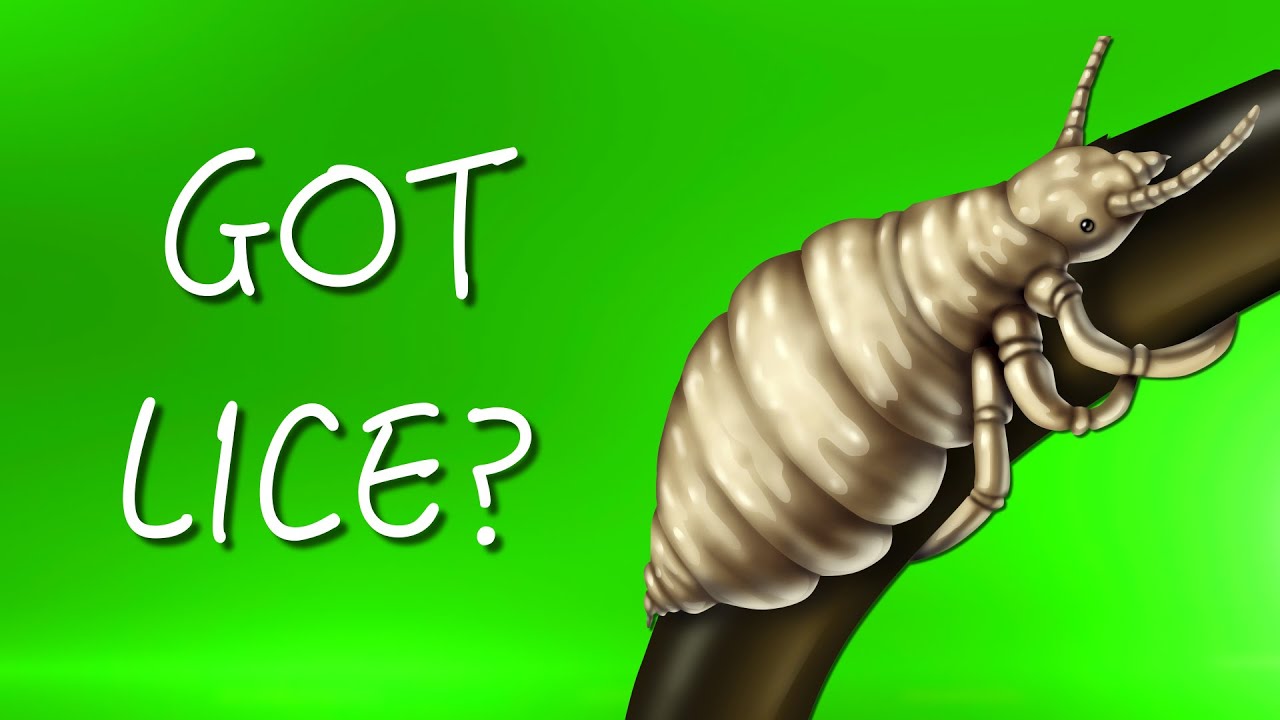
Head lice hold tightly to hair with hook-like claws at the end of each of their six legs. Head lice nits are cemented firmly to the hair shaft and can be difficult to remove even after the nymphs hatch and empty casings remain. Between 6 million and 12 million lice infestations occur annually in school-age children in the United States. Head lice are contagious, spreading via head-to-head contact and can pass among children during play.
They will grab hold of a dyed hairstyle just as easily as they will hold onto that which is not colored. Dogs, cats, and other pets do not play a role in the spread of head lice. To kill any lingering nits and lice, wash clothing, bedding, hats, and towels in hot water on high heat. The most prominent symptom of head lice is an extremely itchy scalp. People also use a number of home or natural remedies to get rid of head lice.
The louse life cycle
If lotions or sprays do not work, speak to a pharmacist about other treatments. You can do this by combing their hair with a special fine-toothed comb (detection comb). They can cause itching and irritation and can be a source of anxiety for some people.
The diagnosis of a head lice infestation is best made by finding a live nymph or adult louse on the scalp or hair of a person. Because nymphs and adult lice are very small, move quickly, and avoid light, they can be difficult to find. Use of a magnifying lens and a fine-toothed comb may be helpful to find live lice. Nits that are attached more than ¼ inch from the base of the hair shaft are almost always dead or already hatched.
Safety and precautions of using hair dye

Nits can often be identified and treated before it gets out of control. You should only treat your child for head lice if you see live lice or viable eggs. Make sure to check all the members of your family for infestation, and treat everyone at once.
Head Lice: It Happens Marietta, GA Patch - Patch
Head Lice: It Happens Marietta, GA Patch.
Posted: Tue, 13 Mar 2012 07:00:00 GMT [source]
Anyone who comes into direct contact with someone with head lice can get them, primarily through head-to-head contact. This article examines who might get head lice, treatment options, and how to prevent head lice. Tea tree oil is not the most effective preventative, says Monica. Instead, recommend your clients spray their head and back of their neck with a peppermint oil-based product. Also, recommend longer-haired children keep their hair pulled back at school. The charity Community Hygiene Concern has a video about wet combing for head lice.
It is also important to notify your child’s school, day care or playmates, as anyone who comes in close contact with someone with head lice should be examined. Intense itching on the scalp and neck could indicate the presence of head lice. Sensations of something crawling or moving in the hair also could be a sign of head lice.
Unfortunately head lice are becoming increasingly resistant to the most common synthetic chemicals used to kill them. "A lot of people don't even know they have head lice — that's how little impact they have." You’ll need to repeat this at least every 2 to 3 days until all lice and eggs disappear — but keep in mind that experts say this may not work as a standalone treatment. However, the study in Jordan suggests that people with longer hair may get lice more frequently. Head lice can transmit easily between people in close proximity to each other through direct hair-to-hair contact.
With school now in full swing, you want to be sure your youngsters don't come home with head lice. Lice typically die within 1 to 2 days once they can no longer feed on a person’s scalp. Below are some of the most common questions and answers about head lice. Fumigation uses toxic chemicals that may cause harm if they breathe it in or their skin absorbs it. Head lice, which many people refer to simply as lice, primarily transmit between people through direct hair-to-hair or head-to-head contact.
Even the sharing of helmets, clothes, pillows, and hairbrushes probably rarely leads to lice transmission, according to the CDC. The risk is greater, however, when these types of items are used by more than one child in quick succession, Gouge says. And if someone in your household does have lice, it's a good idea to launder their bedding and clothes and to clean hair-care items as a precaution, according to the AAP. A person should consider seeing a doctor if head lice do not go away after a second treatment with medication. A healthcare professional can recommend another treatment or advise about how to use the treatment correctly. If these are not effective, a doctor can recommend a prescription medicine instead.
"The conditioner and comb method is the least likely to have adverse effects." But the most important factor in controlling headlice is not a gadget at all. One recent study found neither DEET (the most commonly used mosquito repellent) nor any of the botanicals tested showed "sufficient preventative efficacy to be endorsed". They are designed for scuttling up shafts of hair not lingering around on bedding, hats, towels or classroom desks. "These aren't a major health concern," says medical entomologist Cameron Webb of the NSW Department of Health.




No comments:
Post a Comment