Table Of Content
Those affecting humans tend to be blood-sucking species that rely on blood and other secretions to survive. When school outbreaks occur, the infestation can easily spread to family members and others. However, lice infestations can also be asymptomatic, especially in early or mild infestations. Keep in mind that because anyone with hair can get lice, everyone in the family should be checked. LiceDoctors treats children and families with all hair types.
What blood type do lice prefer?
Personal hygiene or cleanliness in the home or school has nothing to do with getting head lice. Head lice and their eggs (nits) soon perish if separated from their human host. Adult head lice can live only a day or so off the human head without blood for feeding. Nymphs (young head lice) can live only for several hours without feeding on a human.
Myth: Lice Prefer Dirty Hair
However, they can camouflage, so they may appear darker or lighter to match different hair colors. Clothing, bedding, and towels used by an affected person should be laundered in hot water (at least 130 degrees F) and machine-dried using the hot cycle. Clothing and items that are not washable can be drycleaned or sealed in a plastic bag for two weeks. Nymphs are smaller than adults and can be difficult to spot with the naked eye, particularly on different skin tones or hair colors. Therefore, a physical inspection of body lice should involve not only the body of the affected individual but their clothes and bedding as well. They tend to be most active at night, and they can interfere with sleep.
What do head lice look like and what should you do if you find them?
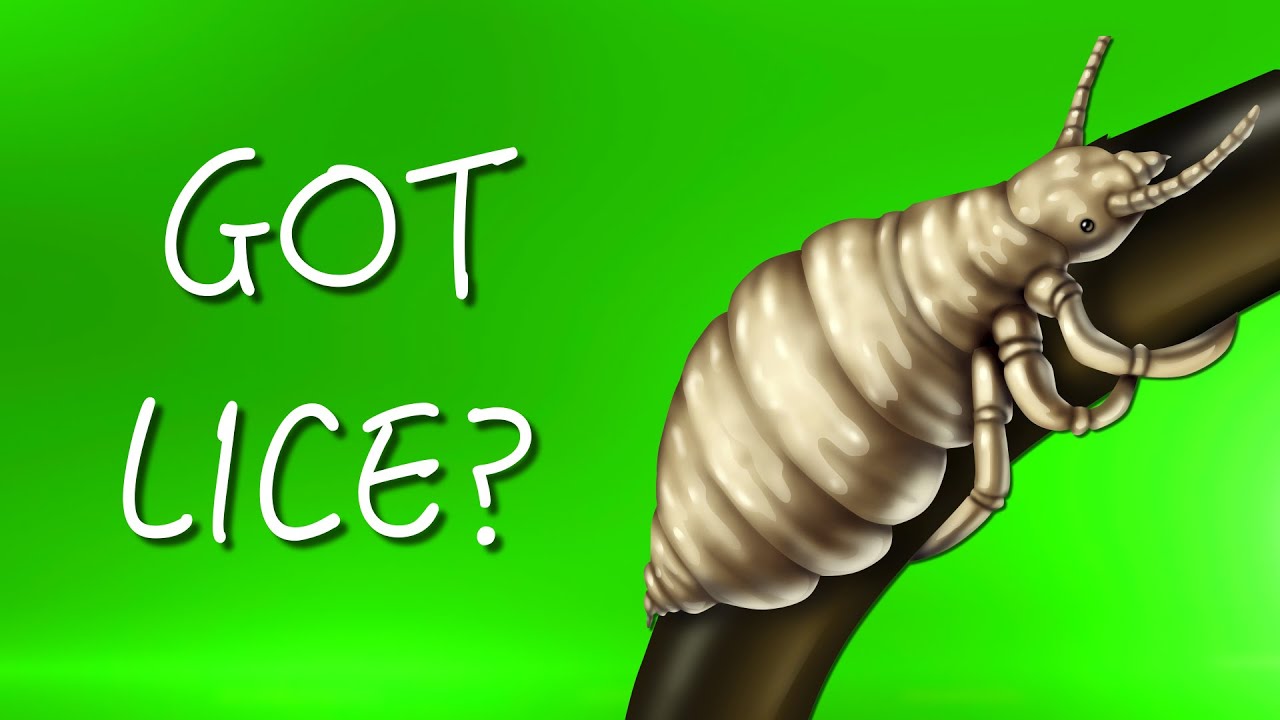
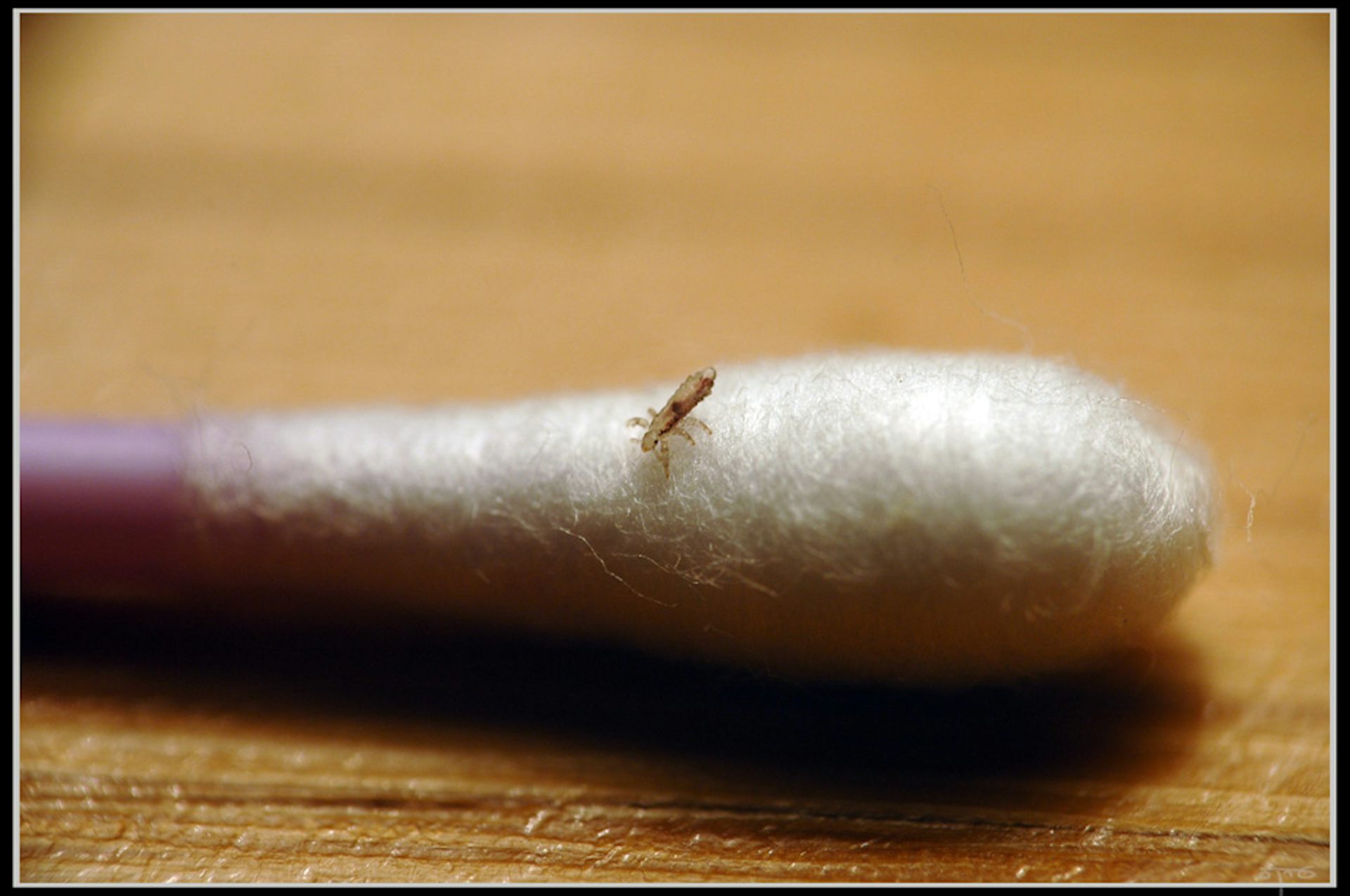
They have six legs and are a tannish to grayish-white color. The front two legs have larger claws that help them crawl around. Head lice in summer camps are quite common as lice tend to be more prevalent during warmer months. Learn the best tips to prevent head lice spread in camps in our article.
A person can usually rid themselves of lice with proper treatment. However, the infestation will return if nits or live lice remain in the hair or on the scalp after treatment. A person must physically remove the lice and nits using a lice comb, even after treatment.

Dandruff
So if you see what looks like nits more than a centimetre or two away from the scalp it means the eggs have already hatched and you may be seeing a sign of a previous infestation. The only way you can catch head lice is by direct hair contact. That's why primary school students, especially those with long hair, are more likely to catch lice — they love crowding around smartphones, tablets or books together. Read on to learn more about head lice spread, how to treat infestations, and what you can do to avoid getting head lice.
Skin and Hair
According to experts, it doesn’t make a difference if you recently washed your hair or not. Anyone can get lice if they come into close contact with someone who has them. However, some research suggests that certain groups may be more prone to head lice than others. You can buy a special fine-toothed comb (detection comb) online or from pharmacies to remove head lice and nits. Permanent hair dye and bleaching solutions also may contain hydrogen peroxide. Studies have found that this chemical effectively treats sea lice, but more research is necessary to determine its effects on head lice.
Myth: Pesticide Must Be Used to Kill Them
If you're frustrated or overwhelmed, you might want to consult with a healthcare provider. If the medicine seems to be working, wait a few days to wash your hair, and keep combing each day for a couple of weeks to ensure you remove all of the lice. You may need to treat again in a week to kill surviving lice that hatched after the first round of treatment. Combing out the lice is the essential step of any head lice treatment. A special lice comb with narrow teeth can help you remove nits and lice. Adult lice lay nits (eggs) on hair shafts (where the hair projects from the scalp) and stick to the scalp.
Head lice are spread most commonly by direct head-to-head (hair-to-hair) contact. However, much less frequently they are spread by sharing clothing or belongings onto which lice have crawled or nits attached to shed hairs may have fallen. The risk of getting infested by a louse that has fallen onto a carpet or furniture is very small. Head lice are spread by direct contact with the hair of an infested person. Anyone who comes in head-to-head contact with someone who already has head lice is at greatest risk. Spread by contact with clothing (such as hats, scarves, coats) or other personal items (such as combs, brushes, or towels) used by an infested person is uncommon.

Adult lice are about the size of a sesame seed and are tan to grayish-white. Depending on your hair color, they can be challenging to see. Adults can lay up to eight nits daily and live up to a month on your scalp. Without a blood meal several times daily, an adult louse will die within a few days. Head lice are tiny insects that feed on blood from the human scalp.
Lice need at least 1/4" of hair to hide, reproduce, and keep warm. Hair that has been coated with hairspray, gel, oil, or mousse is less hospitable to lice than clean hair. The louse cannot adhere as easily to the strands if they have a protective coating. Lice can easily survive on all textures, from very curly to completely straight. It does seem they have an easier time reproducing if there's a little bit of texture, like waves or loose curls. The answer to that is no; they will go to any head that has hair available.
Spread by contact with inanimate objects and personal belongings may occur but is very uncommon. Head lice feet are specially adapted for holding onto human hair. Head lice would have difficulty attaching firmly to smooth or slippery surfaces like plastic, metal, polished synthetic leathers, and other similar materials. If you think you've rid yourself of head lice only to have them return a couple of weeks later, chances are you didn't get every last louse and nit. Following through with treatment, repeating combing, and re-shampooing (per directions) are critical.
Head lice: How to identify it, treat it and prevent it - CBC.ca
Head lice: How to identify it, treat it and prevent it.
Posted: Sat, 08 Oct 2016 07:00:00 GMT [source]
Thorough treatment of head lice is necessary to ensure all lice have been eliminated. This includes removing head lice from hair and any personal items that may have been infested. It's difficult to prevent the spread of head lice among children in child care facilities and schools because there is so much close contact. Nonprescription and prescription medications can help treat head lice.
That's because nits are not viable and are unlikely to be transferred to others, among other reasons. Many small studies have shown that ingredients in some of these products — mostly plant oils such as coconut, olive, rosemary and tea tree — may work to repel lice. However, these products are classified as "natural," so they aren't regulated by the Food and Drug Administration (FDA). Their safety and effectiveness haven't been tested to FDA standards. Household pets, such as dogs and cats, don't play a role in spreading head lice. Her greatest passion is empowering parents by teaching parents online how to do a professional lice treatment on their child at home.
So, instead, use a prevention shampoo or spray infused with one or more of the essential oils lice hate. Keeping kids with nits (or lice) out of school has "absolutely no benefit to anybody," Gouge says. Head lice are mainly down near the scalp where they feed and lay their eggs.
Data show that head lice can survive under water for several hours but are unlikely to be spread by the water in a swimming pool. Head lice have been seen to hold tightly to human hair and not let go when submerged under water. Head lice are spread most commonly by direct contact with the hair of an infested person.